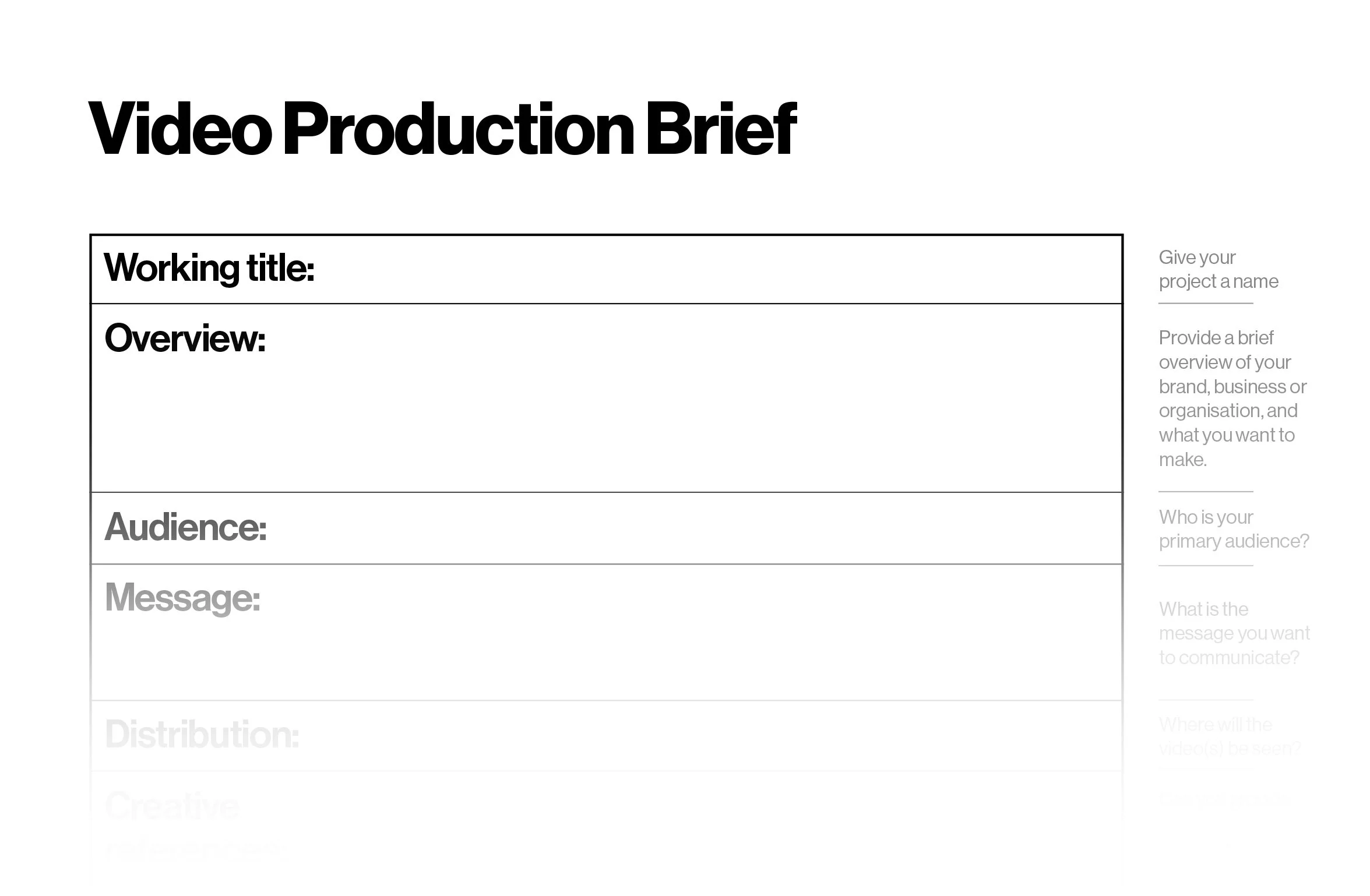
In this guide, we’ll cover what pre-production is, how it fits in to the overall video production process, and run through the building blocks of pre-production that can apply to video projects of all kinds, from branded content and corporate video to commercials and social content.
Last updated: April 2026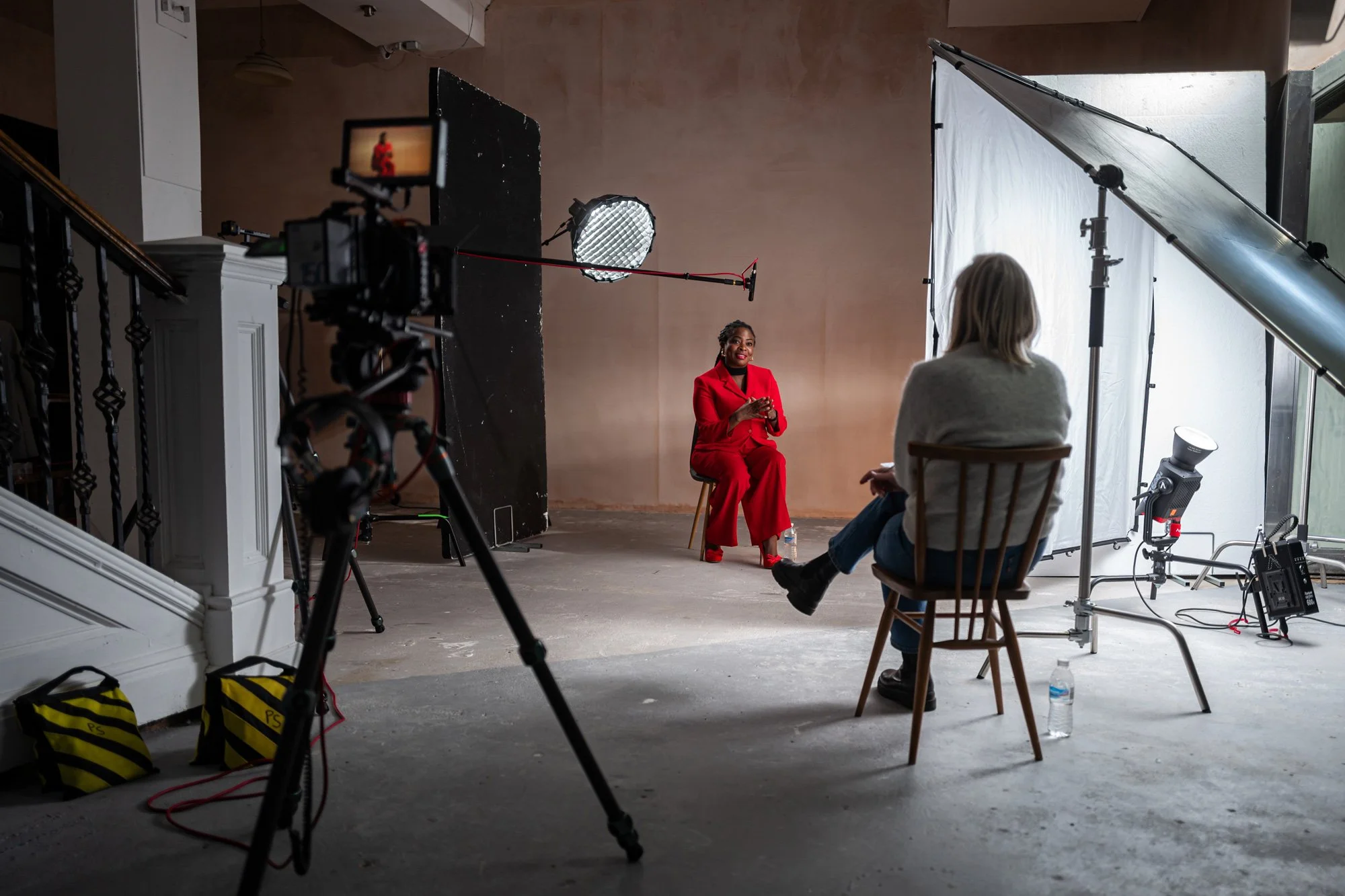
What is the meaning of pre-production?
The video production process has three main stages: pre-production, production, and post-production. A simple pre-production definition is: pre-production is the planning stage that happens before filming begins. It’s the part where we take your creative idea and transform it into a clear, practical plan for the shoot. By doing so, we make sure that time on set is used efficiently, the project stays on budget, potential problems are fixed before they arise, and your final films are delivered to the very best standard possible.
Why pre-production matters
Video production companies invest heavily in pre-production, which often separates successful and unsuccessful videos. When a problem arises on a shoot or during post-production, in our experience it is almost always something that could have been fixed in pre-production. Our approach to video production in London is built around thorough pre-production. What happens at this stage will fundamentally shape the work that needs to be done in the stages that follow, and making smart decisions early in the process can have compounding effects for the quality of both the process and the end results.
Impact on the production stage
You can get a lot done on a shoot day, and you can get very little done on a shoot day. The difference between the two is in your planning. Thorough pre-production will mean that by the time you get on set for the shoot, the client, agency (if there is one), and production partner will all be completely aligned on what they are making, how it should look and feel, and what it is supposed to do. You will know that the location provides exactly what you need, and that the equipment will fit within the space. Matching scenes and locations can be grouped (shoot days rarely follow the chronology of the edit), saving significant time on setups and location moves, and your crew will know exactly what they need to be doing and when.
Then there are things like loading, unloading, parking. This might seem like a small detail, but having to lug all of the equipment 500m along a cobbled street can really get you off to a bad start before the cameras have even started rolling.
Ultimately, all of this serves to make a day on set more efficient and enjoyable for everyone involved, with everyone going home on time.
Impact on the post-production stage
The impact of good pre-production trickles down into the edit too. When you don’t have a solid plan in place, the tendency is to overshoot a project, gathering far more material than you need to try and dig yourself out of a hole – most of which will never see the light of day. This creates more work for your editor, and more cost for the client.
By contrast, if the shoot was well planned and followed an agreed storyboard and shot list, your editor will know exactly what they’re making and they’ll have the exact ingredients they need to do it right in front of them. Clear and intentional messaging, no missing shots that have to be fudged over somehow. It’s like the difference between a 50-piece jigsaw puzzle and a 1,000-piece jigsaw puzzle.
What happens in pre-production?
The level of pre-production required for a project will vary. It can be minimal for a simple interview, or extensive for a campaign film. But in both cases, the building blocks are similar and you can work through them taking only the ones that apply to your project.
Understanding the brief
In commercial video production, we are making video content as a service to other businesses. So it is vital that we fully and accurately understand their brief for the project.
What is the goal of the video(s)?
Who is it for?
Where will it be published and in what aspect ratios?
What action should the viewer take?
Successful films not only look great; they’re grounded in strategy too. Having a clear answer to these questions gives you a good starting point for making creative decisions further down the line.
Concept refinement
Now that we understand what the client needs, we need to start figuring out how we’re going to translate it into video.
How can we communicate key messages and any supporting points: will this be done visually or verbally (or both)?
Are there any references for style and tone that we can look at to get a deeper understanding of the client’s preferences?
What is the best content format to achieve the client’s goals? Sometimes this decision will have already been made, but as a video production company part of our job is to make effective video content, and if we think a different format will better serve the client’s objectives then we’ll always suggest it.
Are there any additional assets that also need to be made as part of the same shoot that we need to factor in to our planning?
Structures and scripts
Not every project needs a script, but every film needs a structure, and writing a sample script or outline is a great place to start.
If you’re making an advert or brand film, there’s a good chance you’ll have a script that will either be delivered by your on-screen talent or as a voiceover. But even unscripted films benefit from having an example script or suggested narrative arc. When preparing for an interview-based film, you should aim to have not only a good set of questions, but also a clear view of the overall story you want to tell, and the beats you need to hit to make that happen.
Once you have a script or thorough outline, you can start to visualise how the video will look and the shots you’re going to need to get to make it work.
Visual references, storyboards and shot lists
This is where things get visual. There’s a good chance you will have already looked at some visual references earlier in the process, or perhaps even assembled a mood board. This is where we take that a step further and develop a chronological visual roadmap for the film, detailing every aspect of each shot that you will need to film during production. It’s also the moment in pre-production where the desired look and feel of the project gets fully locked in, allowing the camera team to start planning out how they will approach each scene.
Locations, casting and permissions
You’ll need to make sure you have appropriate locations for your shoot, that you have all necessary permissions in place, and that any talent has been cast and booked in.
Common tasks for this stage include:
Location scouting and technical recces: the production team will not only be looking for something that has the right look and feel, but also considering access and unloading, where the sun will be across the day so that they can plan shots accordingly, power requirements for lighting and other equipment, conveniences and refreshments, and health and safety.
Securing filming permissions and permitting: never assume that you can film somewhere unless you are absolutely sure. Even many seemingly public places still require permission, and the rules will vary depending on what sort of video content you are making. Local councils will also require a filming permit if you plan to install any equipment on a public footway.
Booking and scheduling any talent, and dealing with any permissions and contractual requirements.
Crew and equipment
You can’t make a film without equipment, and you can’t use the equipment without a team of skilled people to operate it. If your project has a Producer and dedicated Director, the chances are that they’ll already be on board by this stage. But you still need to assemble the rest of the crew for the project.
Equipment choices are also typically set here, and will have an impact on the size and skillset you need from your crew.
Schedule, call sheet and contingencies
Finally, you need to prepare a call sheet and schedule so that everyone on set knows what they need to be doing and when.
Prepare a production schedule: this is essentially a run sheet for the day, listing out all of the filming that needs to be done and the amount of time allocated to each shot and scene, along with any breaks in the day.
Prepare a call sheet: this is a document that contains key timings, addresses, contact details for people on set, and emergency contacts and procedures
Risk assessment and contingencies: are there any risks associated with the shoot that need to be mitigated, and what is the backup plan if the weather means you can’t run the shoot as originally scheduled? The video production process has three main stages: pre-production, production, and post-production.
If you’ve made it this far, congratulations – your shoot should be in a pretty good place for moving into the production stage. If you’re planning a video production in London, get in touch to learn more about our production services.
Further reading: