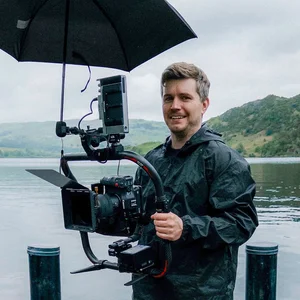
Affected Others is the second charity campaign film we’ve made for GambleAware. This is what went into the making of the film.
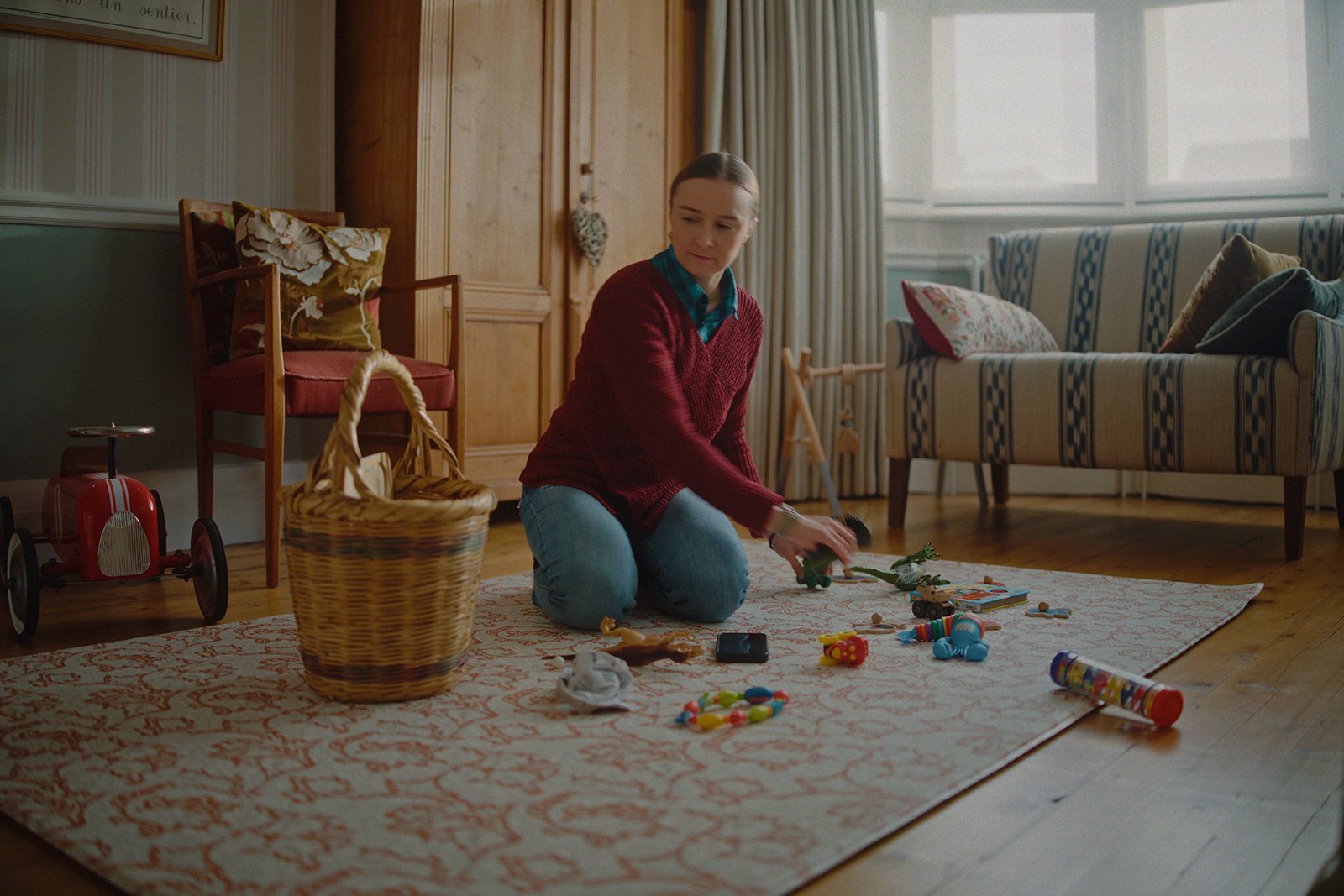
Affected Others is the second campaign film we made for GambleAware, as part of a longer programme of work with the charity that ran across roughly two years – part of our charity video production service. You can watch the film above, and you can find a selection of stills on Frameset.
Working on projects like this one change how you think about the subject matter. Before we started working with GambleAware, I had a general awareness of gambling harm — but I hadn't fully appreciated how widespread and damaging it is. The conversations I’ve had with people with lived experience of gambling harms, and the first-hand testimony we’ve recorded in interview, have had a lasting impact personally and professionally, and I’m proud to say that we now decline to produce work for gambling companies.
Two films, two very different approaches
The first GambleAware campaign film we made was entirely interview-based. We conducted more than eight hours of careful and sensitive interviewing across two days, and the setup was deliberately simple – a single chair against a neutral Colorama backdrop. The interviewee looked directly into the cameras as they spoke about their experiences. We then shaped that material in the edit into a single narrative that spoke to the common themes across people's experiences.
The second film, while sharing a lot of the same core messaging, had to look and feel distinct from the first. So for Affected Others, we took a different approach. It was much more produced, with a planned voiceover and storyboarded visual sequences to support each section of the film.
Working with the participants in pre-production
GambleAware found the people who would appear in the film through the support networks the charity works with. Each participant was asked to write a short text in their own words describing how their life had been affected by gambling. We then worked with them — back and forth over several rounds — to arrive at a shorter, more direct version that still kept the language and substance entirely theirs, and that they were happy with. The aim wasn't to make something polished or to shoehorn in any messaging. It was to find the clearest, most essential version of what they were saying.
Once we had those texts, we could begin planning: the structure of the film, the visuals, the key messaging, the pacing, and how it would all be assembled in the edit.
Location, visual concept, and storyboards
GambleAware had secured a location house in London for filming. We couldn't carry out a site recce before the shoot because of timing constraints on both sides, but we had access to a comprehensive set of photographs of the rooms which was enough to start making some visual decisions.

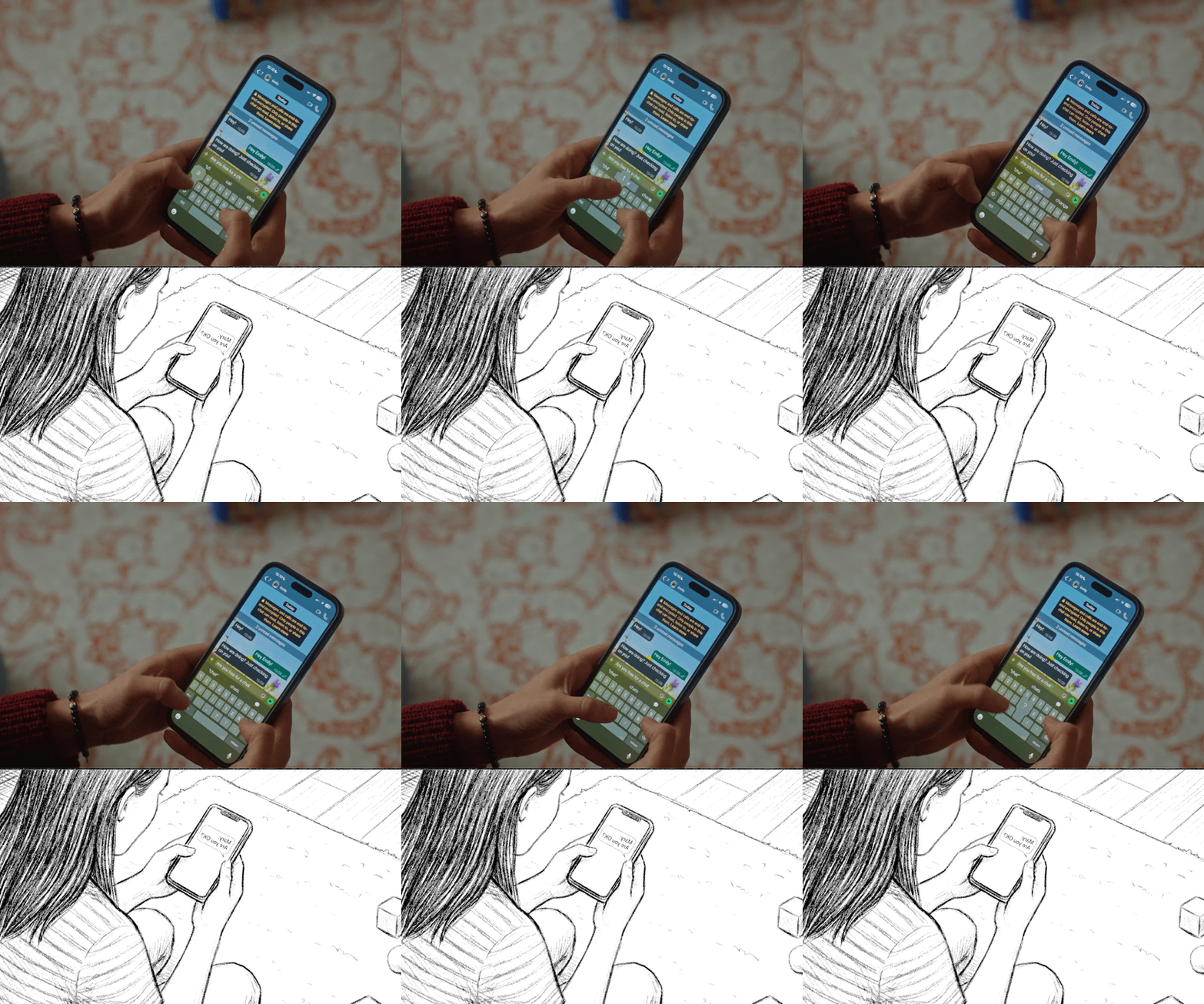
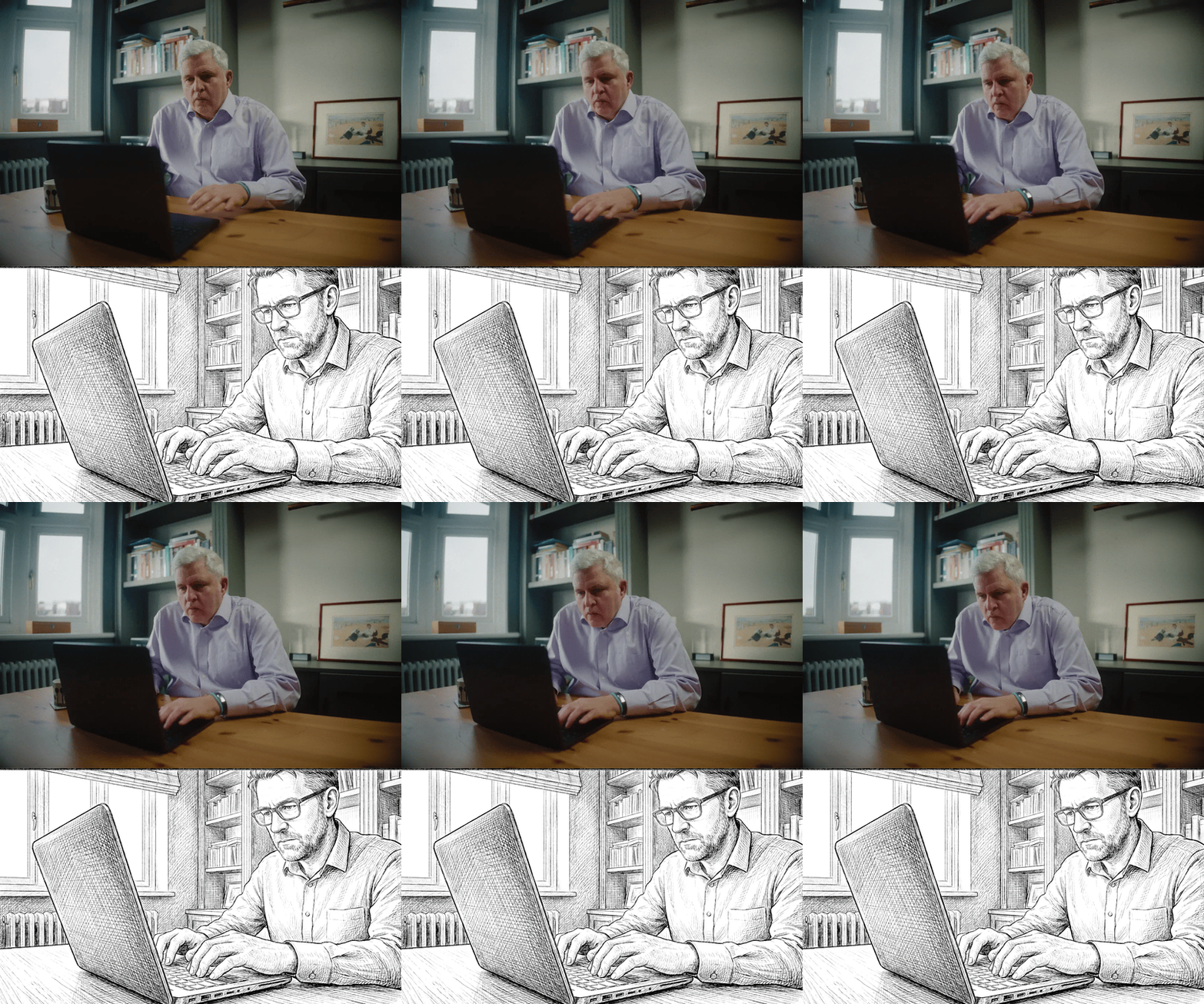
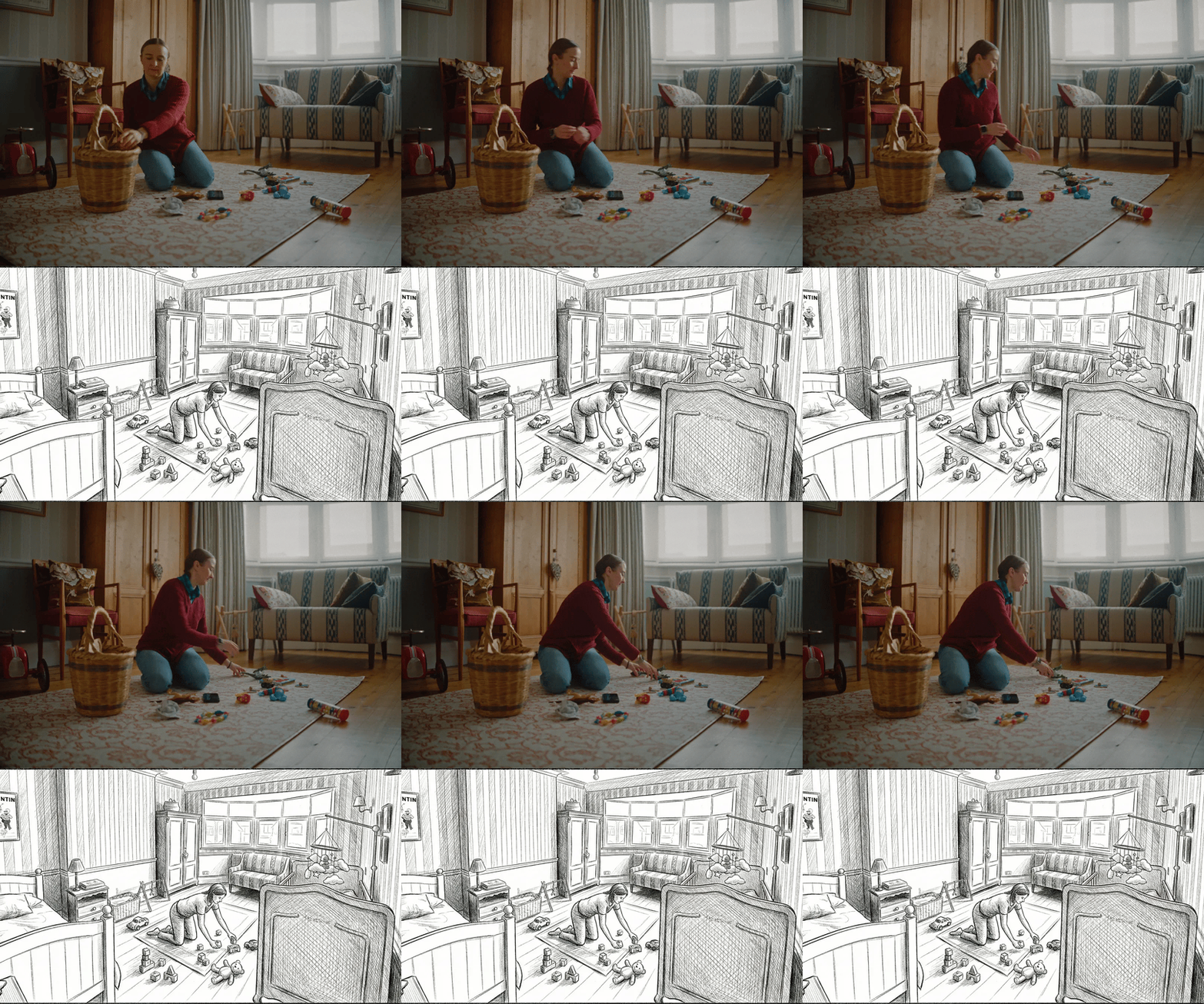
Images from the storyboards for the project
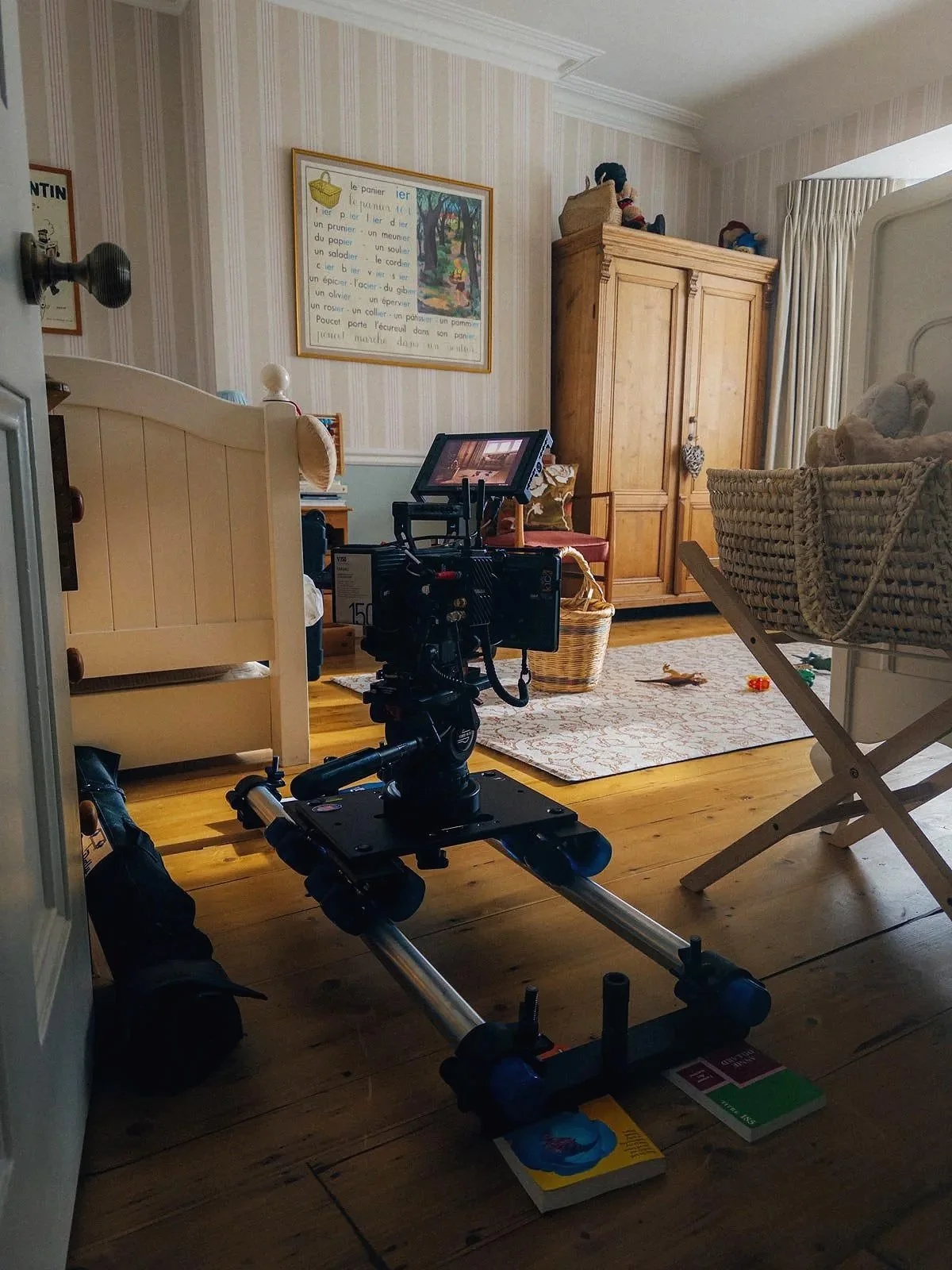
The Dana Dolly in action during filming for Affected Others
We now knew what the voiceover track was going to say, so we knew how poignant the stories were. The challenge we had was to put together a visual plan that supported them, making the film visually engaging but without distracting from what was being said.
We decided to keep it really simple and place each person in a different room. The idea was that you'd hear each person telling their story — following the text they'd prepared, recorded as voiceover — while seeing them at home during the course of a normal day. A no-frills, straightforward approach that would allow the voiceover to speak for itself and give the messaging room to breathe.
Once we had decided who would be in which room, we used the location photographs to prepare storyboards, with notes for camera movement and framing. We decided on an observational documentary style for the camerawork, and to use the Dana Dolly (a modular track system that allows you to run the camera smoothly along a set of rails) to introduce some gentle, controlled movement to the shots.
By the time we arrived on shoot day, we had a clear plan to follow, and knew exactly what we needed to capture in each room. Doing that kind of pre-production work remotely — without a physical location scout — isn't ideal, but with thorough reference material we found it to be very workable.
The shoot day
We had a tight schedule to meet on the filming day, and a crew of just two people – myself and an assistant, Zach.
Recording the voiceovers
We had roughly an hour with each of our participants, so the first thing we had to do with each person was to record their voiceover. Nerves always play a part on shoot days, especially with people who are not necessarily that used to being filmed. Starting with the voiceover recordings gave us a good opportunity to start working with each person in a more relaxed way, sat on the sofa with just the microphones (no cameras).
We recorded the voiceover using Shure SM7B microphones, which we have in-house. That gave us clean, warm, and rich audio — which mattered enormously, because the voice is the primary thing you're focussing on throughout the film. We wanted viewers to really feel the directness and intimacy of what each person was saying. We did around three read-throughs with each participant to give us a few options in the edit.
Shooting the sequences
Once we had the audio, we moved into shooting each person's visual sequence. Depending on the room and what the text called for, these sequences ran anywhere from three to eight shots, usually starting wide and then moving closer before cutting to an action.
We had to make some changes on the shoot day to the sequence we had planned for John. Originally we had planned to have a high-angle over-the-shoulder shot looking down onto the laptop as he put the coffee cup back on the desk. But on the day we realised we didn’t have enough space to get the camera into position for this, so we kept the camera on the dolly track instead and filmed it at the same level as the other shots in the sequence.
Other sequences had more moving parts. Anna's sequence in the children's bedroom upstairs took longer to put together. But because we'd planned each beat in advance, there was no time spent on set working out what to do. It was just a case of finding the frame, shaping the light, and then rolling the cameras for several takes until we had what we needed.
Working in tight spaces: the director's monitor
Some of the rooms at the location house were extremely tight. In the upstairs study, we ended up filming almost entirely through the doorway. That made it impractical for the client to stand nearby and watch, but we were able to set up a director's monitor with our Teradek wireless transmission running downstairs, giving the client a live feed of everything we were capturing without crowding the room. It kept the day running smoothly and also gave participants the space to settle into the shoot.
An unplanned idea that made it into the film
After wrapping with all three participants, we had one final thing to capture: an insert shot for text placement in the middle of the film. We’ve used this technique before (including in our first campaign film for GambleAware), and with the right narrative arc, it’s one that works really well.
We wanted a dinner table scene to represent the idea of a family or group of people, and by implication the fact that gambling harm affects more than just the person doing the gambling.
On the day, we had the idea of adding chairs to the table one by one, in a stop motion style. It wasn't in the storyboards. It came at the end of the shoot, in the moment. But it was a good idea for the film — a simple visual device that made the messaging considerably more effective.
How we approached lighting
From the location photographs, I had understood that the study was on the ground floor, facing the garden. In reality, it turned out to be at the top of the stairs, on the street-facing side of the house.
This was the first room we filmed, and it changed the lighting approach for that room and for the rest of the day in order to maintain consistency. There was no way to bring substantial kit in without it entering the frame, and we couldn’t safely get a light high enough from outside to push through the window with a crew of two people. So we used the natural light from the window as our primary source. Fortunately, the sun was travelling across the front of the house throughout the day, which worked in our favour. With some bounce and negative fill, and a small fixture into the ceiling to bring up the general light level in the room, we were able to create the shape we wanted while keeping the equipment footprint incredibly small.
None of the kit is visible in the final frames, but just outside the frame on almost every shot there was either black duvetyne to create shadow, or ultrabounce and muslin to gently wrap light around the subject's face. The aim was to avoid stark silhouettes but to still lean into some reasonable contrast in the images, true to the feeling of sunlight coming through a window.
Post-production
Because the project had been thoroughly planned in pre-production, the post-production was relatively straightforward. The film was comprised of only a small number of shots and they followed the storyboards extremely closely.
We started by editing the voiceover track: selecting the cleanest takes, occasionally compositing two reads together, and trimming lines slightly where needed to hit the guide runtime. A significant part of that work was shaping the delivery and intonation so it sat right with the music — you want the voice and the score to feel like they belong together. Once the voice edit was locked, we slotted the visuals into place and took the film into the colour grade.
Client feedback was almost non-existent, in the best way. We worked on a few pacing issues, and trialled a few different versions of the closing message. It was a great example of just how important thorough pre-production is. When you've done the work beforehand to arrive at genuine alignment on what you're making, the shoot and edit follow the plan and there's very little to be surprised by.
The takeaways
Simplicity serves the message
The biggest takeaway from this project was that simplicity almost always serves the message better than complexity. When the testimony is powerful, you don't need elaborate camera moves or a complicated lighting setup to make it land. In fact, those things can actually work against you — they pull attention toward the filmmaking and away from what's being said.
The importance of pre-production
The whole project ran extremely smoothly, and without any major unexpected issues because we completed thorough pre-production. Through working collaboratively on the narrative and storyboards, everyone was completely aligned on what we were making, how it was going to look, and how it needed to feel. It’s hard to understate just how valuable having that sort of clarity ahead of a shoot day is.
The one thing I would change if we were to do it again would be to make sure we had the time to conduct a proper location recce. In this case, we were able to work around the issues that did come up pretty easily, and we had wanted to keep to a very naturalistic lighting style anyway. But we were also lucky that the weather and geography of the house were both on our side: the sun was in the right place for all three rooms. If it had been on the other side of the building, we would have needed think on our feet and find a different approach to create that same effect.
As a sidenote, I also find it incredibly satisfying when your final visuals closely match the storyboards for those shots – and this one was about as close as they come.
Keeping the camera movement simple
The Dana Dolly was a good decision for this film. It allowed us to introduce gentle, controlled, and completely smooth camera movement to make the shots just a little bit more interesting but without distracting from the narrative. And compared with some other systems that would have created a similar effect, it was small and mobile enough that we could easily work with it at speed across the different rooms of the house.
Affected Others is a simple film, but I think it's a strong one — and it's exactly the kind of charity video production work we want to be making more of.
FURTHER READING
Charity video production in London — our charity and third sector video services